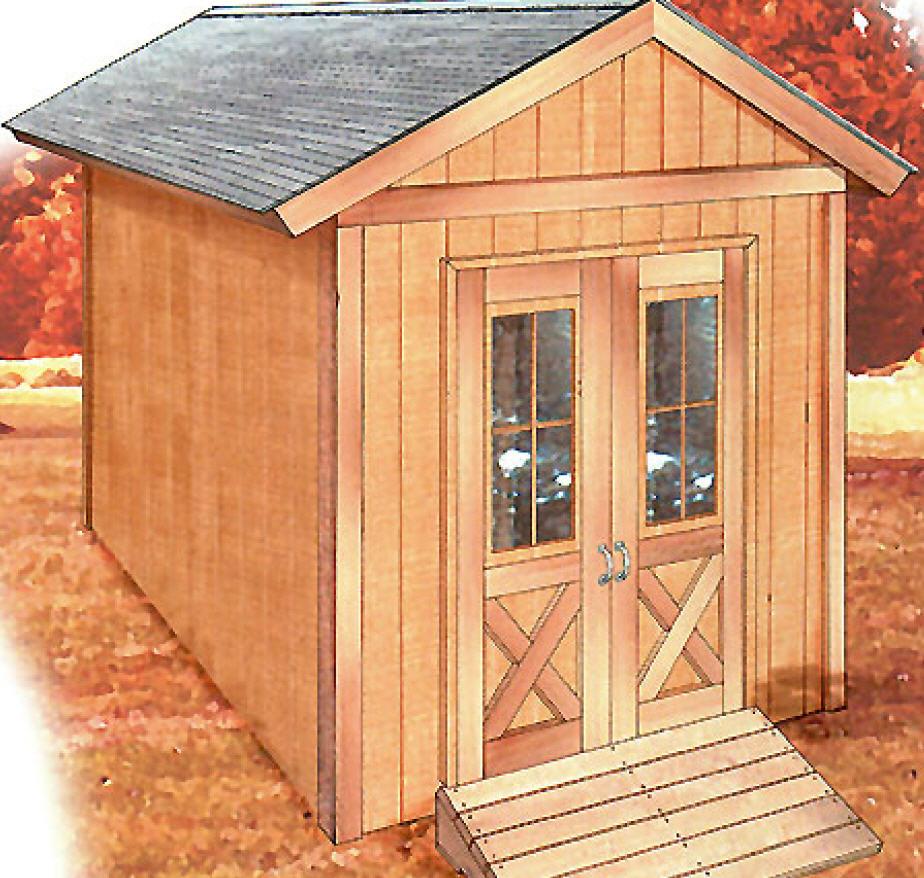
Designing a Unique 8x12 Shed: A Comprehensive Guide
An 8x12 shed, while seemingly modest in size, offers considerable potential for customization and functionality. This guide provides a structured approach to designing a unique 8x12 shed that perfectly meets your individual needs and surpasses the limitations of a standard pre-fabricated structure. Careful planning and consideration of several key factors will ensure a satisfying and long-lasting addition to your property.
I. Defining Your Shed's Purpose and Functionality
Before embarking on the design process, a clear understanding of your shed's intended purpose is paramount. This will dictate the internal layout, materials selection, and even the overall aesthetic. Consider the following:
A. Storage Needs
What will you primarily store in your shed? Lawn and garden equipment? Tools? Sporting goods? Knowing the specific items and their dimensions will inform the design of shelving, workbench placement, and overall internal space allocation. For instance, storing tall items like ladders may necessitate higher ceilings or specific storage solutions. If you plan on storing delicate equipment, consider climate control options discussed later.
B. Workshop Integration
If you envision the shed as a workshop, the design must accommodate this functionality. This includes dedicated workbench space, ample power outlets, potentially specialized lighting for precision tasks, and storage for tools and materials. Consider the workflow and ensure sufficient room for movement and maneuverability. Adequate ventilation is also crucial for reducing dust and fumes.
C. Additional Considerations
Beyond basic storage and workshop functions, you might consider other uses, such as:
- Gardening area: Seed starting, potting, and tool storage.
- Art studio: Natural light considerations and appropriate ventilation.
- Home gym: Sturdy flooring and adequate ventilation.
- Guest accommodation (small): Insulation, windows, and perhaps even small kitchenette considerations.
These varied functions will require different design approaches to ensure optimal usage.
II. Structural Design and Material Selection
The structural integrity and material selection are crucial for the longevity and resilience of your shed. The 8x12 footprint allows for creativity but requires careful planning to maximize space and functionality while minimizing material costs.
A. Foundation
The foundation type will depend on your soil conditions and local building codes. Options include:
- Concrete slab: Provides a robust and level base, ideal for heavier sheds and workshops.
- Gravel base: A more cost-effective option suitable for lighter sheds in well-drained areas.
- Pier and beam: Offers good ground clearance and ventilation, especially helpful in damp climates.
B. Framing
The framing material significantly impacts the shed's strength and durability. Pressure-treated lumber is a common choice for its resistance to rot and insect infestation. However, engineered lumber offers superior strength and straightness, potentially reducing the need for additional bracing.
C. Siding and Roofing
The choice of siding and roofing materials should complement your home's aesthetic and reflect your budget. Options include:
- Vinyl siding: Low maintenance and relatively inexpensive.
- Metal siding: Durable and resistant to harsh weather conditions.
- Wood siding: Offers a more natural aesthetic but requires more maintenance.
- Asphalt shingles: A widely available and cost-effective roofing option.
- Metal roofing: Durable, long-lasting, and resistant to fire and strong winds.
III. Enhancing Functionality with Unique Features
Distinguishing your shed from standard models involves incorporating unique features tailored to your specific needs and preferences. These additions can significantly enhance both the functionality and aesthetic appeal of your structure.
A. Loft Storage
Adding a loft creates valuable overhead storage space, ideal for seasonal items or less frequently used equipment. This requires careful planning of the framing and access via a ladder or staircase.
B. Windows and Skylights
Strategic placement of windows and skylights significantly improves natural light penetration, reducing the need for artificial lighting and creating a brighter, more inviting workspace. Consider energy-efficient options to minimize heat loss in colder months.
C. Climate Control
For sensitive equipment or comfortable workspace, consider incorporating climate control features. This could involve insulation, ventilation systems, and even the installation of a small air conditioning or heating unit.
D. Power and Lighting
Sufficient electrical outlets and appropriate lighting are essential, especially for workshops. Plan the electrical layout carefully to avoid overcrowding and ensure compliance with local electrical codes. LED lighting is energy-efficient and long-lasting.
E. Exterior Doors and Hardware
Consider double doors for easier access to larger equipment. High-quality, durable hardware enhances security and longevity.
IV. Planning and Permits
Before construction begins, thoroughly research local building codes and zoning regulations. Obtain necessary permits to ensure compliance and avoid potential legal issues. Develop detailed plans, including dimensions, materials list, and a construction schedule. This organized approach minimizes unexpected delays and complications. Consider consulting with a professional architect or builder for complex designs or if you lack construction experience.
Designing a unique 8x12 shed is a rewarding process that transforms a simple storage structure into a functional and aesthetically pleasing addition to your property. By carefully considering your needs, exploring various design options, and adhering to proper planning and permitting procedures, you can create a customized shed that perfectly complements your lifestyle and serves its intended purpose for years to come.


0 comments:
Post a Comment
Note: Only a member of this blog may post a comment.