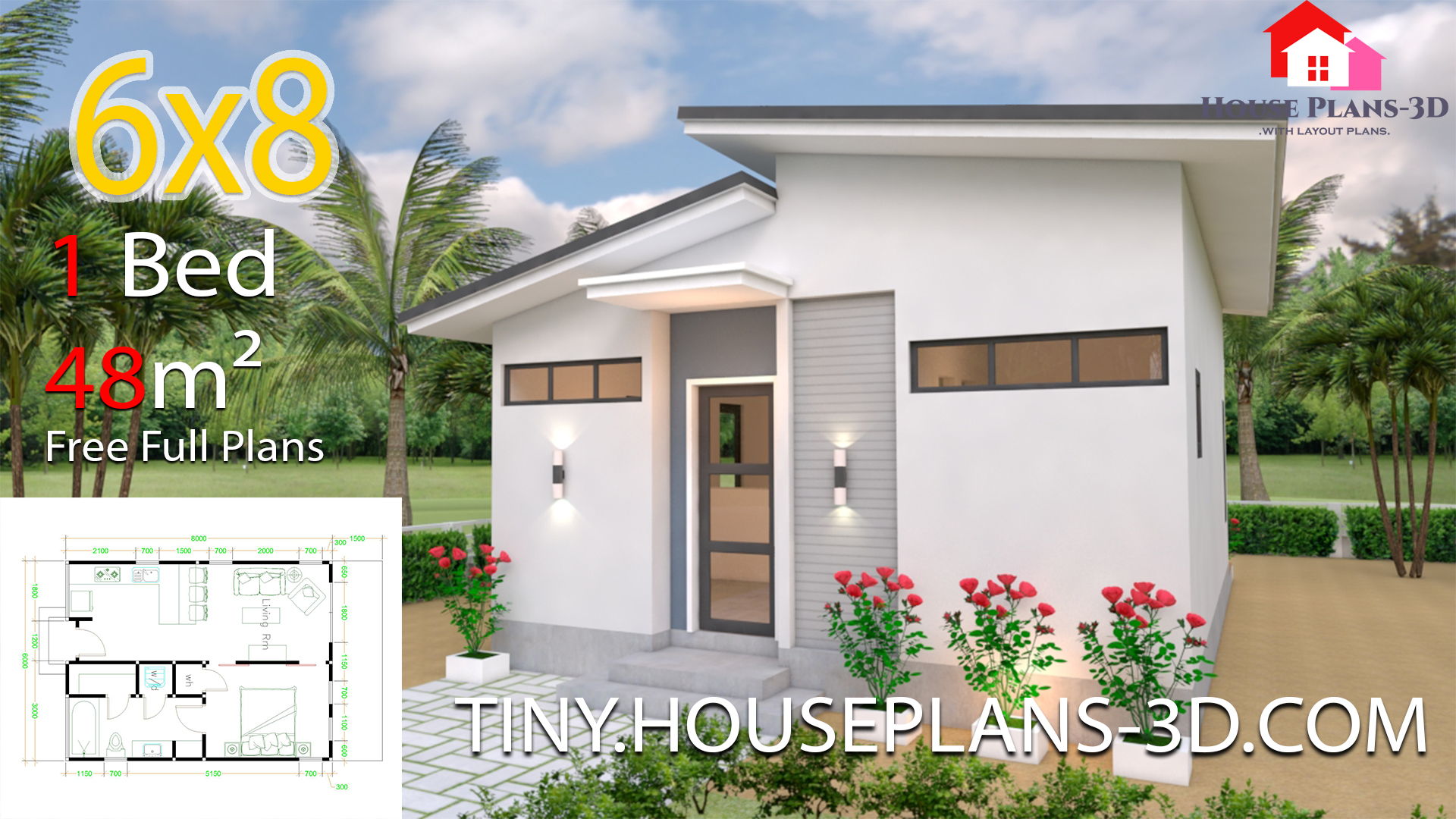
6x8 Shed Roof Plans: Affordable and Effective DIY Ideas
Constructing a 6x8 shed offers a practical solution for various storage needs, from gardening equipment to outdoor recreational gear. This guide provides comprehensive plans for building a 6x8 shed with a simple shed roof, emphasizing affordability and DIY feasibility. The project is designed for individuals with basic carpentry skills and access to fundamental tools. While prior experience is beneficial, the detailed instructions provided aim to guide even novice builders through the process successfully.
I. Planning and Material Acquisition
The initial phase involves meticulous planning to ensure the project’s success. This includes acquiring necessary permits, finalizing the shed's location, and preparing a detailed materials list.
A. Permitting and Site Preparation
Before commencing construction, it is crucial to verify local building codes and obtain the necessary permits. This step varies based on geographical location and the specific regulations governing shed construction. Contact your local building department to understand the requirements and submit the relevant application. Site preparation involves clearing the designated area, leveling the ground, and ensuring adequate drainage to prevent water accumulation around the shed's foundation. A level foundation is critical for structural integrity. Consider using compacted gravel or concrete for a robust base.
B. Materials List
A comprehensive materials list is essential for a smooth construction process. The quantities specified below are estimates and may need adjustments based on specific needs and design variations. Always purchase extra materials to account for potential waste or unforeseen circumstances.
- Pressure-treated lumber: 4x4 posts for corner supports (4), 2x4s for framing (approximately 50-60 linear feet), 2x6s for floor joists (4-6, depending on spacing), and 2x4s for roof rafters (8-10).
- Plywood or OSB sheathing: For the floor and roof (approximately 1 sheet of 4x8 plywood or OSB for the floor, and 1-2 sheets for the roof).
- Roofing material: Asphalt shingles, metal roofing, or other suitable material (quantity depends on roof area).
- Fasteners: Galvanized nails, screws (various sizes), and construction adhesive.
- Concrete mix or gravel: For the foundation.
- Exterior paint or sealant (optional): For weather protection.
- Hardware: Hinges, latch, and door handle for the shed door.
II. Foundation Construction
A strong foundation is paramount for the longevity and stability of the shed. The chosen foundation method depends on budget and soil conditions. Two common options include a concrete slab and a gravel base.
A. Concrete Slab Foundation
This provides excellent stability but requires more effort and materials. Dig a foundation hole slightly larger than the shed's dimensions, pour a concrete slab, and allow ample curing time before proceeding with the frame construction. Ensure the slab is level to prevent structural issues.
B. Gravel Base Foundation
This is a more economical option, particularly suitable for well-drained soil. Level the ground, lay down a layer of gravel, compact it thoroughly, and ensure proper drainage to prevent water accumulation. This method is simpler and faster than a concrete slab but may not be as stable in challenging soil conditions.
III. Frame Construction
The frame forms the structural skeleton of the shed. Precise measurements and accurate cutting are crucial for proper alignment and stability.
A. Floor Framing
Construct the floor frame using 2x6 joists spaced approximately 16 inches apart. Securely attach the joists to the foundation using anchors or brackets. Ensure the floor is level and square before proceeding. Install plywood or OSB sheathing over the joists for a solid floor surface.
B. Wall Framing
Build the wall frames using 2x4 studs, following standard framing techniques. Ensure proper spacing and secure connections. Once the walls are framed, erect them on the floor frame, and brace them securely for stability.
C. Roof Framing
The shed roof is a simple gable design. Construct the rafters using 2x4s or 2x6s, ensuring appropriate spacing and angles for proper support and water runoff. Attach the rafters securely to the top plates of the wall frames. Apply plywood or OSB sheathing to the rafters to create a solid roof surface.
IV. Roofing and Exterior Finishing
This stage involves installing the chosen roofing material and completing the exterior finishing of the shed. Proper installation is crucial for waterproofing and longevity.
A. Roofing Installation
Install the chosen roofing material according to the manufacturer's instructions. Ensure proper overlap and secure fastening to prevent leaks. Asphalt shingles are a cost-effective option, while metal roofing offers greater durability. Proper underlayment is crucial for water protection.
B. Exterior Finishing
Apply exterior paint or sealant to protect the wood from the elements. This extends the shed's lifespan and improves its aesthetic appeal. Consider adding trim and other decorative elements to enhance the shed's appearance.
V. Door Installation and Final Touches
The final stages involve installing the door and making any necessary final adjustments.
A. Door Installation
Cut a doorway opening in one of the walls. Install the door frame and hang the door using hinges and a latch. Ensure the door operates smoothly and securely.
B. Final Touches
Inspect the entire structure for any imperfections or areas requiring attention. Make any necessary repairs or adjustments to ensure structural integrity and a professional finish. Consider adding additional features such as shelving or workbenches to maximize the shed's utility.
Disclaimer: This guide provides general instructions. Always consult local building codes and seek professional advice when needed. Safety precautions must be observed throughout the construction process. Using appropriate safety gear, such as eye protection and gloves, is essential. Improper construction techniques can lead to structural instability and potential hazards. The accuracy of measurements and the quality of materials directly impact the shed's longevity and stability.


0 comments:
Post a Comment
Note: Only a member of this blog may post a comment.